Complete payload
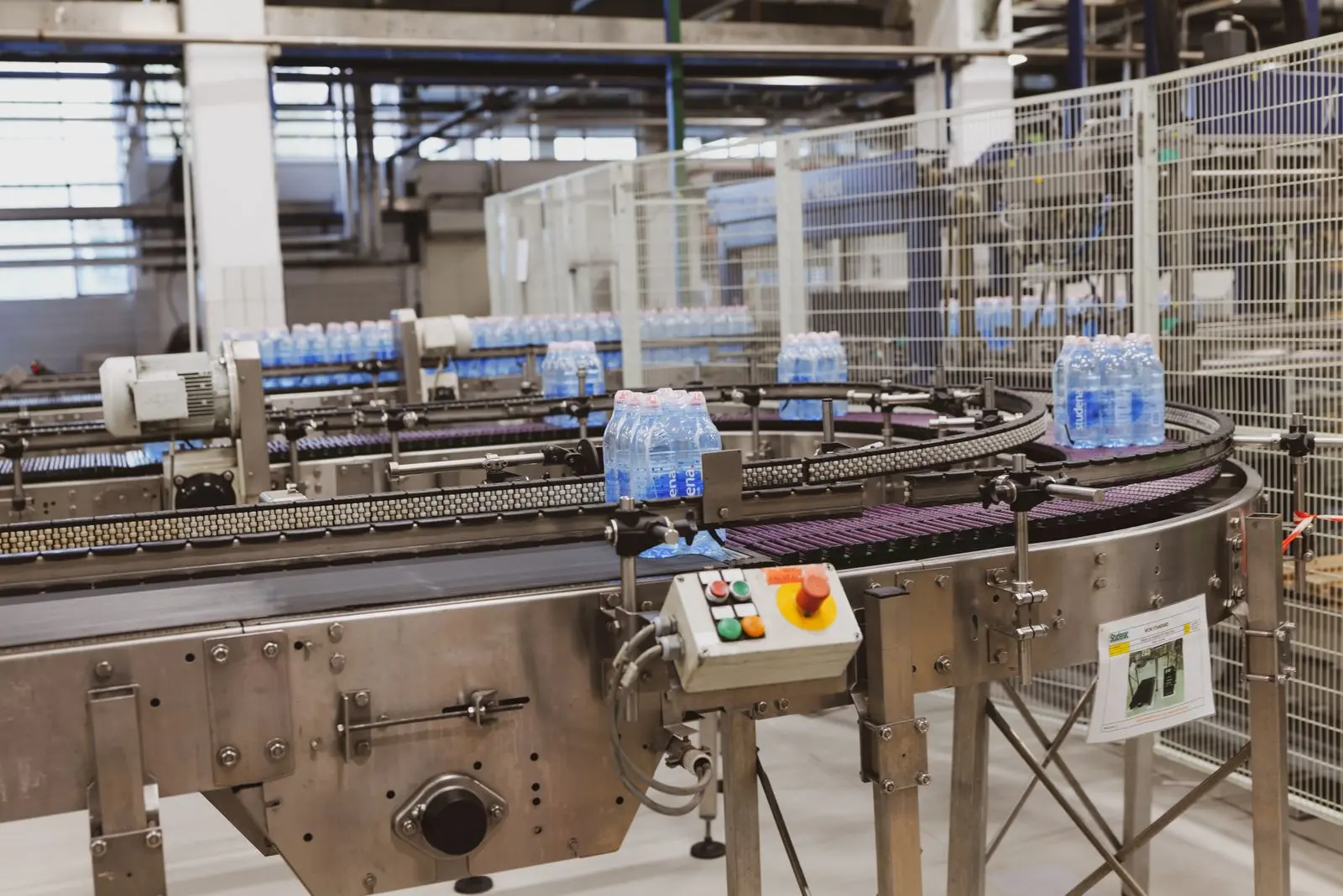
The pack, gripper, hoses, brackets and any extension axis must fit the robot’s allowable payload and moment limits.

Compact collaborative palletising
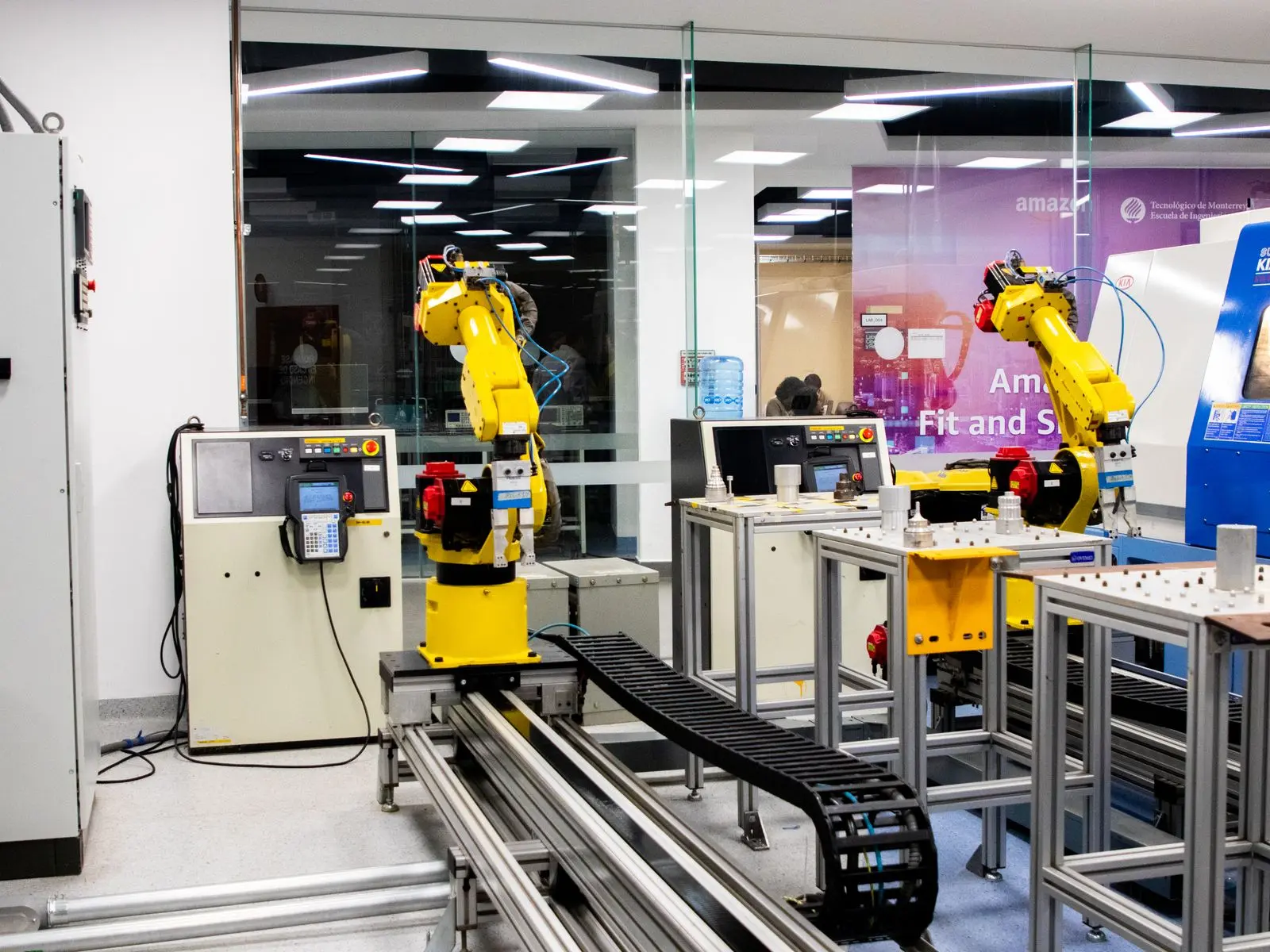
Reduce repetitive lifting with a compact palletising cell designed around your pack weight, rate, stack height and operator workflow—with safety assessed for the complete application.
Application engineering
Cobot palletisers can be attractive where production rates are moderate, pack weights and gripper payload are within the platform capability, and a compact or reconfigurable cell is valuable.
They are not automatically the best answer for every end-of-line process. High rates, heavy packs, long reach or unmanaged access may favour an industrial robot with a safeguarded cell.
The pack, gripper, hoses, brackets and any extension axis must fit the robot’s allowable payload and moment limits.
Pallet base height, top layer and tool orientation determine whether a lifting column or alternative layout is needed.
Travel distance, safe operating speed, pick confirmation and pallet exchange all contribute to achievable output.
Access for pallet change, material replenishment and recovery is designed into the safety concept and work sequence.
Complete cell design
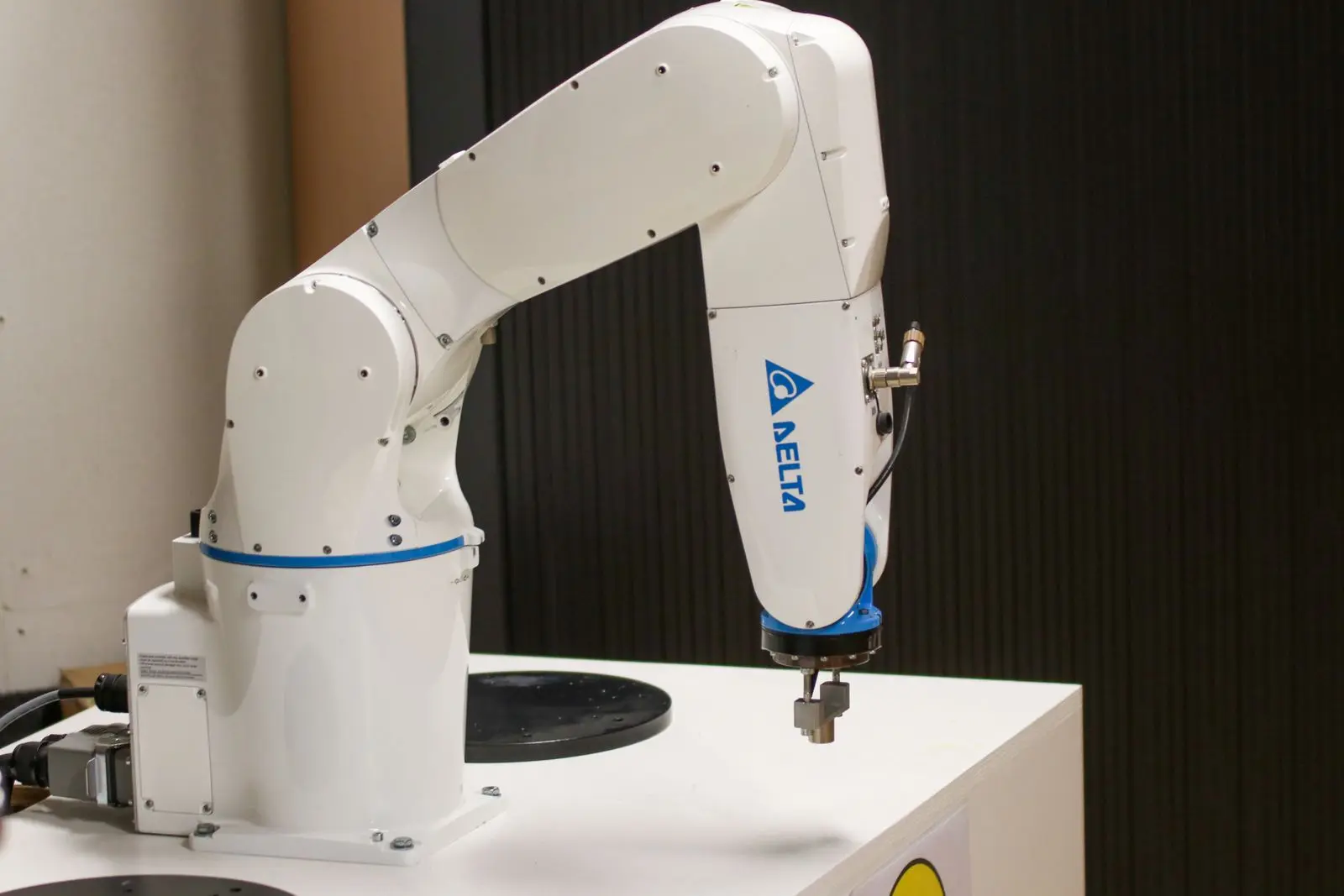
A collaborative robot arm has safety-rated functions, but the finished machine also includes a moving product, end effector, pallet and surrounding equipment. Sharp edges, trapping points and impact energy can still require separation or additional protective measures.
We develop the layout and operating modes from the intended interaction, then select scanners, guarding, safe speed functions or restricted zones as the risk assessment requires.
What we need to know
Early data lets us compare a cobot cell with a compact industrial robot cell on performance, footprint and safety rather than choosing by label.
| Design input | Why it matters | What to provide |
|---|---|---|
| Product and tool | The tool can be a significant share of a cobot’s payload and may introduce hazards. | Pack mass, dimensions, surface, proposed pick quantity and samples. |
| Pallet envelope | Reach must cover the pick, full pallet footprint and highest layer with usable tool orientation. | Pallet size, stack height, floor level and preferred cell footprint. |
| Rate | Collaborative speed restrictions and travel distance can limit output. | Packs/min, pallet exchange method and required availability. |
| Operator tasks | Human access affects zoning, safe modes and how production continues during intervention. | Who changes pallets, replenishes materials and clears faults. |
| Environment | Floor, washdown, dust, temperature and nearby traffic affect hardware and layout. | Site photos, floor plan and environmental requirements. |
Integrated around the robot
A production-ready system still needs product presentation, an application-specific gripper, pallet location, controls and an engineered safety solution.
A controlled conveyor, stop and pick position create repeatable product presentation without unnecessary footprint.
Vacuum or mechanical tooling and, where appropriate, a vertical axis are assessed within payload, stability and safety limits.
Safe operating modes, scanners or guarding, reset positions and pallet-change sequences are designed around real operator tasks.
Project route
A palletising project is only complete when the robot, product flow, pallet handling, control system and operator access work together. We keep the system boundary clear from the first layout.
See complete cell integrationProducts, rates, patterns, pallet formats, line interfaces and site constraints.
Robot, end effector, conveyors, safety architecture, controls and cell layout.
Programming, dry testing, product trials, recipe checks and agreed acceptance evidence.
Installation, commissioning, operator training and production handover.
Frequently asked questions
Possibly. A collaborative robot is not automatically a guard-free machine. The complete application—including product, gripper, speed, trapping points and pallet area—must be risk assessed. Guarding, scanners, reduced speed or other measures may be required.
Stack height depends on robot reach, base position, tool orientation, pallet footprint and product height. Some layouts use a vertical lift axis, which must be included in the complete design and risk assessment.
A compact base can support relocation, but services, stability, floor condition, guarding or scanning zones and a repeatable re-commissioning process still need to be considered.
Recipe selection and controlled pattern editing can be included through the HMI. Access levels and validation can be configured to reduce unintended changes.
An industrial robot may be more suitable when the application needs greater payload, reach, speed or duty, or where the safety concept already requires a separated cell. We compare architectures against the required production task.
Related systems
Start with the application
Send the packaged-product dimensions and mass, current line rate, required pallet pattern, available space and a photo or video of the end of the line. We will identify the next technical step.
Planning a palletising project?
Send the product dimensions and weight, target output, pallet size and a photo or short video. We will review the application and identify the next technical step.