Application first
Define what must move, how fast, where it must be placed and what can vary.

Oxford Industrial Automation
Start with your product, output and site. We define the robot, tooling, controls, safeguarding and line equipment needed to put the complete cell into production.
Our approach
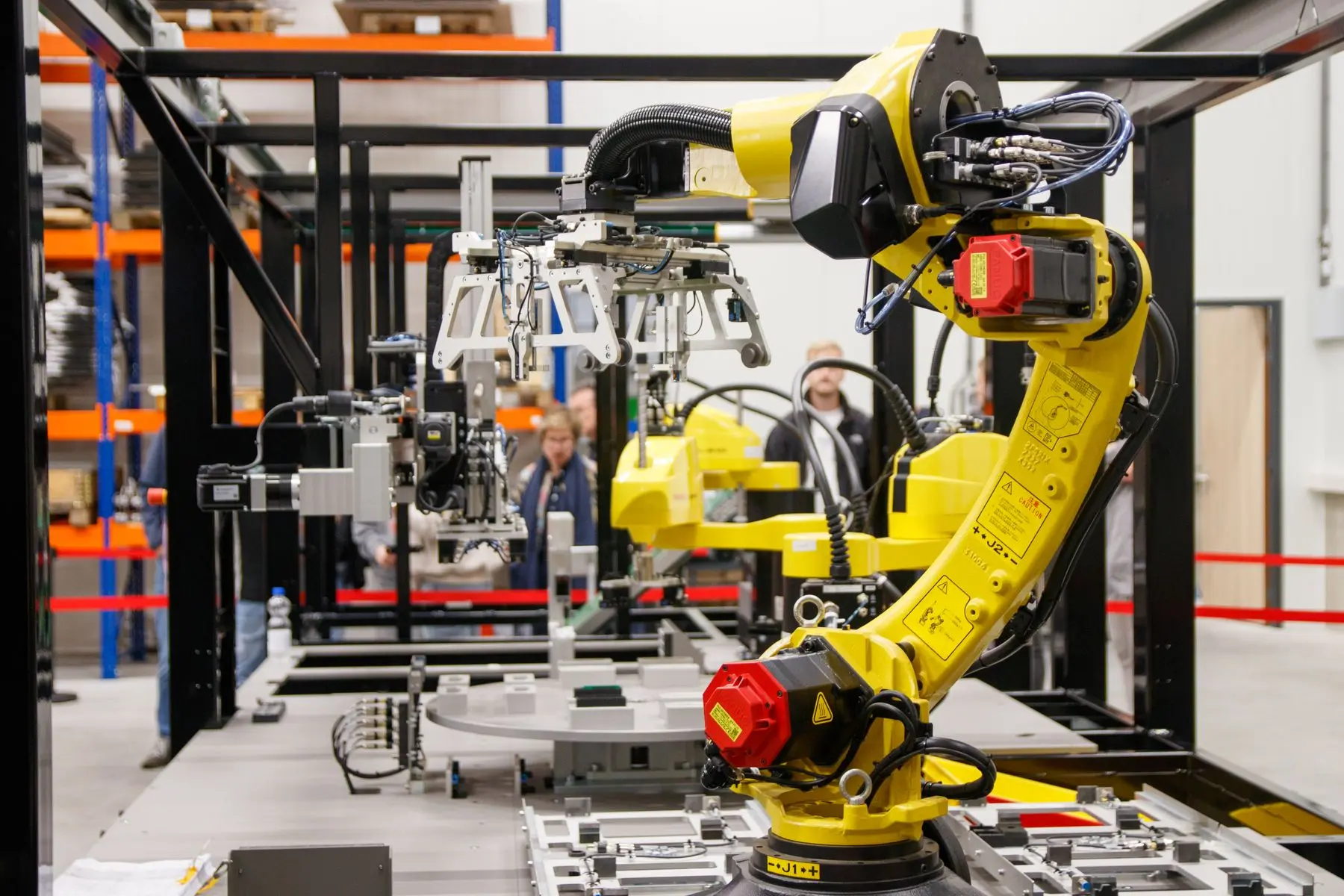
A complete palletising system depends on more than reach and payload. We review the product, required output, pack presentation, pallet pattern, available space, operator interaction and upstream or downstream equipment.
That evidence shapes the robot, end effector, conveyors, sensing, pallet handling, controls and safety architecture.
Define what must move, how fast, where it must be placed and what can vary.
Treat tooling, product flow, machine signals, safety and operator access as one system.
Use samples, videos, drawings, rate data and trials to remove assumptions before deployment.
Agree testing, installation, commissioning, training and acceptance requirements.
Palletising capability
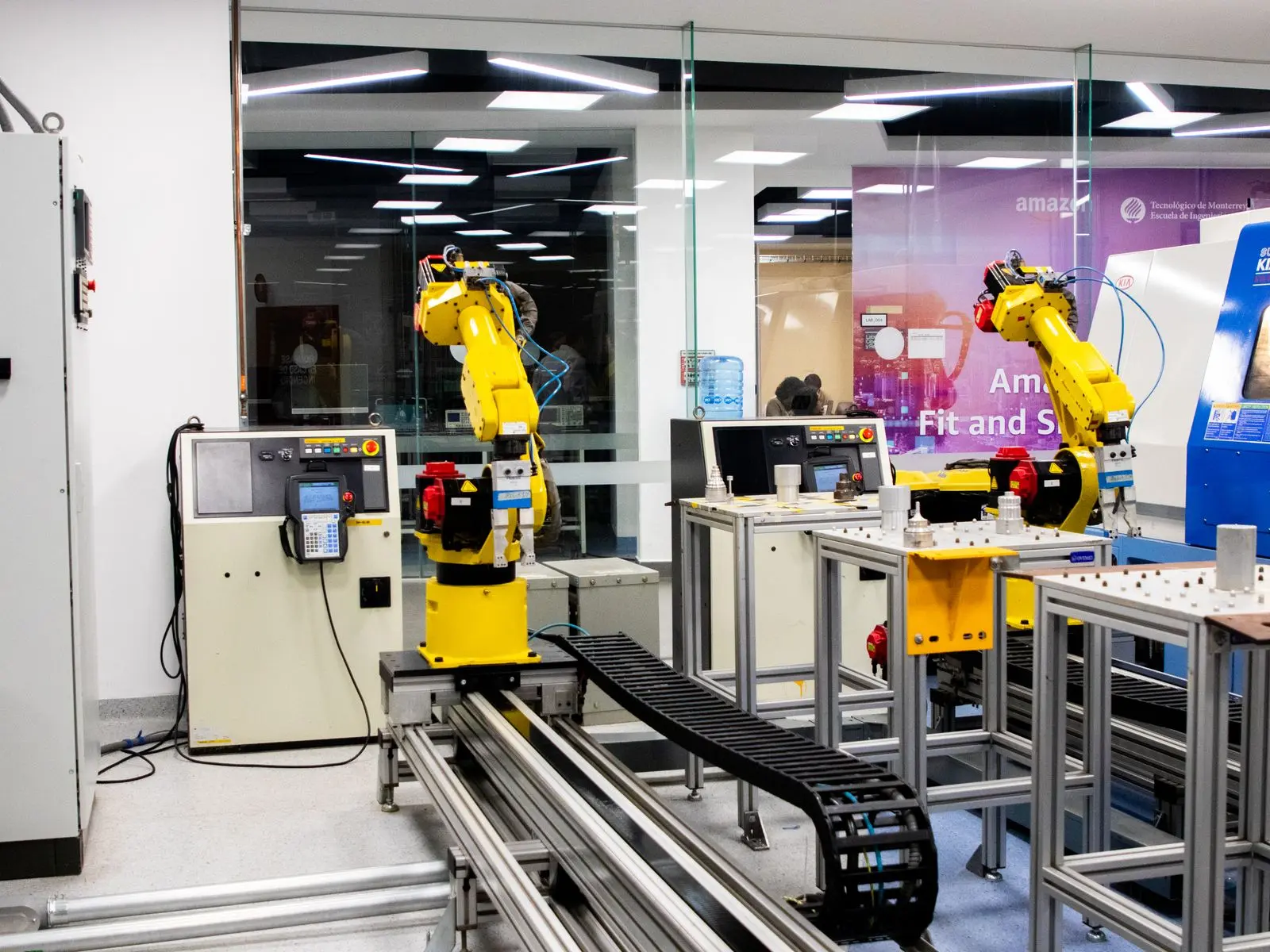
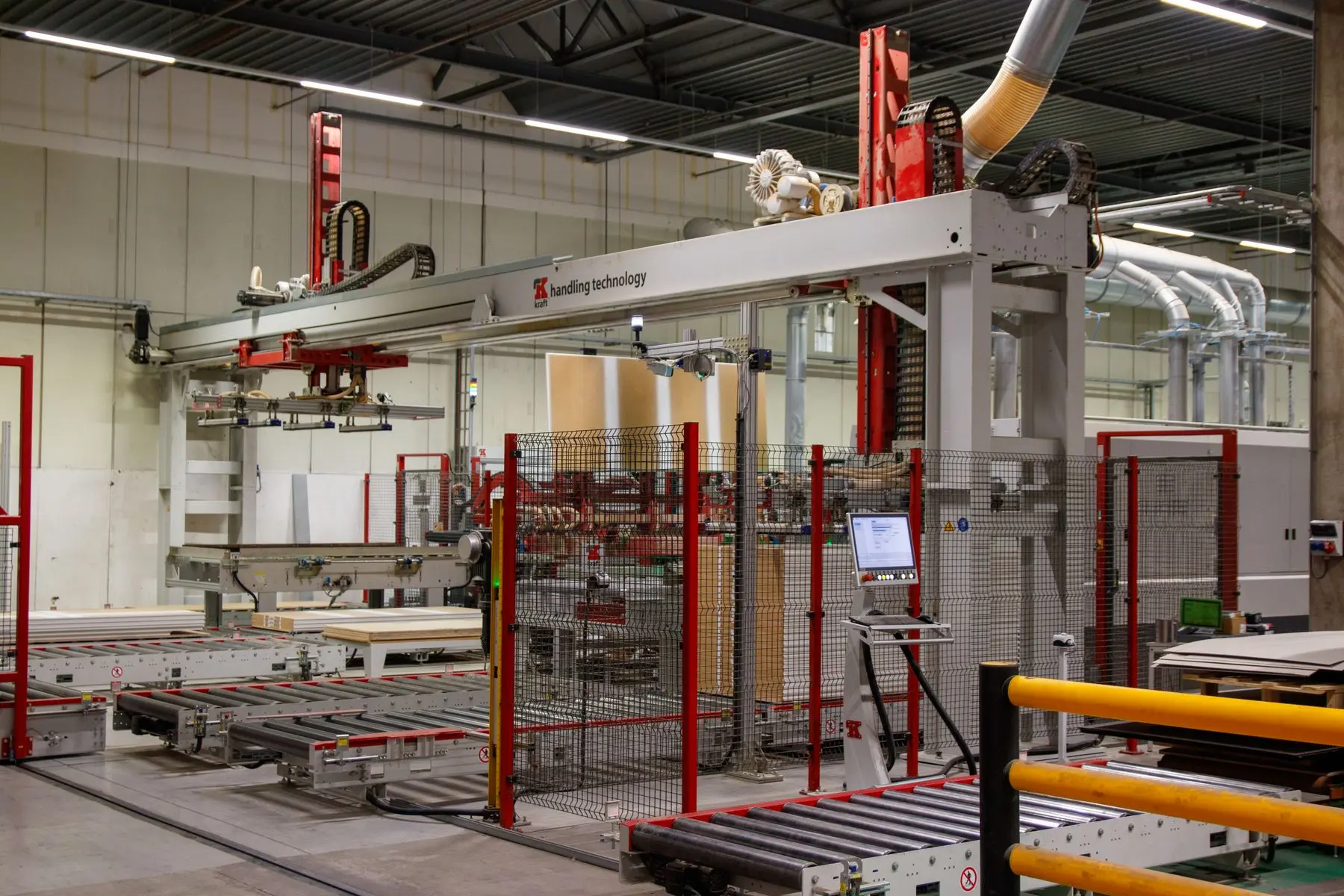
Our wider reference robot range spans 3–300 kg payload, with representative palletising platforms at 65 kg, 80 kg and 160 kg. Platform data is used as a starting point; final suitability is confirmed against the complete moving payload and application.
A useful first conversation
Product samples, a short line video, target output, pallet drawings and a floor layout let us ask better questions and identify the right next technical step.
Start with the application
Send the packaged-product dimensions and mass, current line rate, required pallet pattern, available space and a photo or video of the end of the line. We will identify the next technical step.
Planning a palletising project?
Send the product dimensions and weight, target output, pallet size and a photo or short video. We will review the application and identify the next technical step.